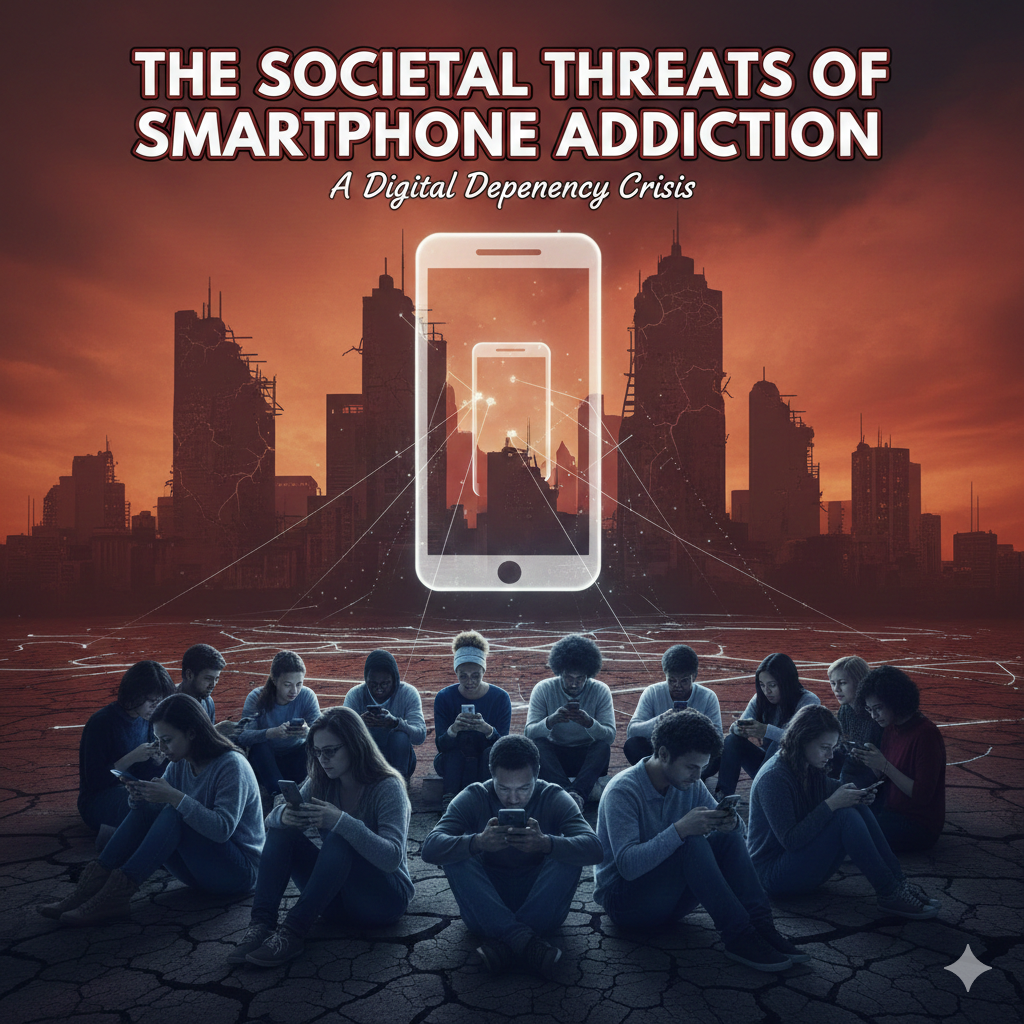
In today’s world, smartphones have become a dominant force in shaping individuals’ lives and altering the fundamental structures of society. While these devices reinforce consumer culture, they also diminish deep thinking and free thought. Smartphone addiction jeopardizes personal freedoms while simultaneously weakening societal resilience. As technological advancements accelerate, the effects of smartphones and the rise in addiction reshape social structures and determine future perspectives.
Impairment of Mental and Emotional Health
Smartphone addiction adversely affects individuals’ mental and emotional well-being. Constant bombardment with digital alerts dulls individuals’ abilities for deep thinking and concentration. Moreover, those constantly under stress are prone to mental instability and emotional disorders. Within this context, the emergence of mental and emotional health issues resulting from increased smartphone usage threatens both individual and societal welfare.
The Importance of Conscious Consumption and Resistance
To reverse this perilous trend, it is imperative to cultivate habits of conscious consumption and resistance against technology. Individuals can reclaim their freedoms by limiting smartphone usage and redirecting their focus to the real world. Additionally, societal awareness and collective action play crucial roles in mitigating the effects of smartphone addiction. Therefore, adopting a conscious and resistant stance towards technology will aid individuals and society in achieving a healthier digital balance.
Conclusion: The Power of a Conscious and Resilient Society
Smartphone addiction poses threats to both individuals and society’s fundamental structures. However, by cultivating habits of conscious consumption and resistance against technology, these threats can be mitigated. A conscious and resilient society can safeguard its freedoms and build a healthier future. Thus, concerted efforts and increased awareness are necessary to reduce the effects of smartphone addiction.